Article Overview: Seasonal risks in East Tennessee – from spring floods and summer wildfires to fall windstorms and winter ice – can expose gaps in your insurance coverage. Reviewing your policies each season ensures you’re protected against the specific hazards that Sevier County residents face throughout the year.
Most homeowners and renters purchase a policy and don’t revisit it until renewal. The problem? The risks you face in February look very little like the risks you face in August. A policy that protects you well in one season may leave you exposed in another.
Why Seasonal Insurance Reviews Matter in Sevier County
Sevier County sits at the edge of Great Smoky Mountains National Park, making it one of the most visited and weather-vulnerable regions in Tennessee. The area experiences a full range of seasonal conditions: spring floods from heavy rain and mountain snowmelt, summer heat waves and wildfire threats, fall wind and rain events, and winter ice storms that can shut down roads for days.
According to FEMA, approximately 90% of all natural disasters in the U.S. involve flooding – and East Tennessee is no exception. What many residents don’t realize is that standard home insurance policies do not cover flood damage. That’s just one example of how a common coverage gap can turn a manageable situation into a financial crisis.
Reviewing your coverage at the start of each season gives you a clear window to identify gaps, adjust limits, and add endorsements before a loss occurs – not after.
Spring in Sevier County: Flood and Storm Risks
Spring in East Tennessee means warming temperatures, heavy rainfall, and rapid snowmelt from the Smokies. These conditions combine to create significant flood risk across the region, particularly in low-lying areas near the Pigeon River and its tributaries.
FEMA’s flood risk data is clear: most homeowners and renters insurance policies do not cover flood damage. Flood insurance is a separate policy – typically through the National Flood Insurance Program (NFIP) – and it takes 30 days to go into effect. That means if you wait until storm season is already underway, you may already be too late.
Flash floods are especially dangerous in mountain terrain. According to FEMA, flash floods can produce walls of water 10 to 20 feet high, and just one foot of moving water is enough to sweep away a vehicle.
Coverage to review each spring:
- Flood insurance: Check whether you have a standalone flood policy. If not, contact your agent before March.
- Sewer and drain backup coverage: Heavy rains can overwhelm drainage systems, causing damage that flood insurance may not cover.
- Homeowners liability: Spring storms bring fallen trees and property damage that can affect neighboring properties.
Summer in Sevier County: Heat, Wildfire, and Liability Risks
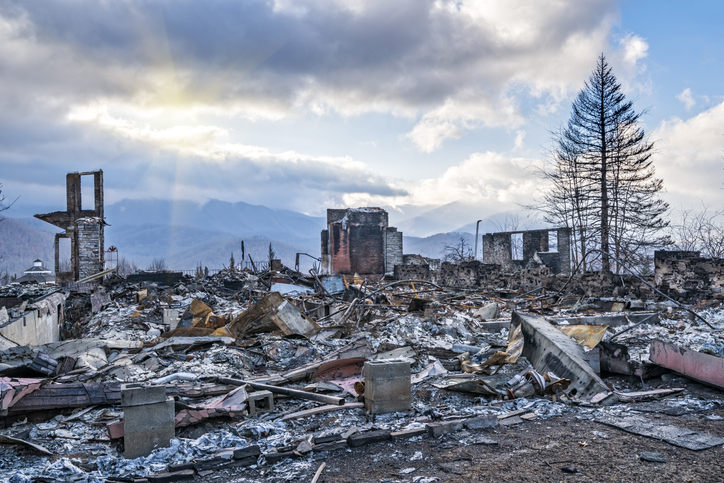
Summer brings tourists, long dry stretches, and elevated wildfire risk across the mountain communities surrounding Gatlinburg and Pigeon Forge. Sevier County residents will remember the 2016 Gatlinburg wildfire, which destroyed over 2,400 structures and caused an estimated $500 million in damage. That kind of event underscores how quickly wildfire risk can escalate in this region.
Most standard homeowners policies cover fire damage – including wildfire – but coverage limits matter. If your home’s rebuild cost has increased due to rising construction costs (which it likely has), your current policy limits may fall short of what it would actually cost to replace your home. This is called being “underinsured,” and it’s one of the most common – and costly – mistakes homeowners make.
Summer also increases liability exposure. More outdoor activity, more guests, and more time near water means a higher chance of accidents on your property.
Coverage to review each summer:
- Dwelling coverage limits: Make sure your policy reflects current construction costs, not what you paid when you first bought coverage.
- Personal liability: Standard policies typically include $100,000 in liability—consider increasing this if you frequently host guests.
- Umbrella policy: For broader protection against large liability claims, an umbrella policy offers an affordable layer of additional coverage.
Fall in Sevier County: Wind, Rain, and Property Risks
Fall in East Tennessee brings cooler temperatures and the tail end of hurricane season, which can push significant wind and rain events into the Appalachian region. Falling leaves clog gutters, tree roots weaken, and the conditions are ripe for wind damage and water intrusion.
Wind damage is one of the most common homeowners insurance claims in Tennessee. Fallen trees, damaged roofs, and broken windows can happen quickly during fall storm events. The key question isn’t whether your policy covers wind damage – most do – but whether your deductibles and coverage limits are appropriate for the value of your home and property.
Outdoor structures like decks, fences, and detached garages are sometimes underinsured or excluded from coverage altogether. Fall is a good time to inventory those structures and confirm they’re covered.
Coverage to review each fall:
- Roof coverage: Older roofs may only qualify for actual cash value (ACV) coverage rather than replacement cost. Know the difference before you file a claim.
- Other structures coverage: Confirm that detached garages, fences, and outbuildings are included in your policy.
- Scheduled personal property: High-value items like outdoor equipment or patio furniture may need separate endorsements.
Winter in Sevier County: Ice, Snow, and Cold-Weather Risks
Winters in Sevier County can be deceptively harsh. The elevation difference across the county means that while valley floors may see light frost, mountain communities near Wears Valley or Pittman Center can be buried under ice and snow. Frozen pipes, ice dams, and vehicle accidents on mountain roads are among the most common winter insurance claims in this region.
Most homeowners policies cover sudden and accidental water damage from a burst pipe – but not damage caused by negligence or lack of maintenance. If a pipe freezes and bursts because the heat was left off during a winter vacation, your insurer may dispute the claim.
Ice dams, which form when snow melts and refreezes at roof edges, can cause serious water damage to attics, ceilings, and walls. Coverage for ice dam damage varies significantly between policies.
Coverage to review each winter:
- Water damage coverage: Confirm your policy covers sudden pipe bursts and ice dam damage, and understand any exclusions.
- Auto insurance: Winter driving conditions on mountain roads increase accident risk. Review your comprehensive and collision coverage before the first ice event.
- Loss of use coverage: If a winter storm makes your home temporarily uninhabitable, loss of use coverage pays for hotel and living expenses while repairs are made.
How to Review and Adjust Your Coverage Each Season
A seasonal insurance review doesn’t have to be complicated. The goal is to make sure your coverage reflects your current risks – not the risks you faced when you first signed up for your policy.
Here’s a practical framework for Sevier County residents:
- Schedule a policy review with your agent each quarter. Use the change of seasons as a natural trigger. Spring and fall are especially important given the flood and wind risks in East Tennessee.
- Update your home inventory annually. Take photos or video of your belongings and store copies in a secure cloud location. According to FEMA, documenting your belongings before a disaster significantly speeds up the claims process.
- Reassess your dwelling coverage limits. Construction costs in Tennessee have risen sharply in recent years. Your current coverage limit may no longer reflect what it would cost to rebuild your home.
- Ask about bundling. Bundling your home, auto, and flood policies with one insurer often reduces premiums while simplifying your coverage management.
- Understand your deductibles. Many policies carry separate, higher deductibles for wind or named-storm events. Know what you’re on the hook for before a claim occurs.
Your Coverage Shouldn’t Be a One-Size-Fits-All Decision
The seasons change – and your insurance coverage should keep pace. Sevier County residents face a distinct set of risks throughout the year, from spring flooding along the Pigeon River to summer wildfire threats in the mountain communities to winter ice storms that test even the most prepared households.
The cost of gaps in coverage isn’t just financial. It’s the stress of navigating a claim without adequate protection, the time lost waiting on disputes, and the real possibility of having to absorb losses your policy should have covered.
Talk with Brandon Patterson (brandon@ownbyinsurance.com) and our team about what your risks are as well as your coverage options. Review your policies before each season, not after a loss – because the best time to make sure you’re covered is always before you need to file a claim.