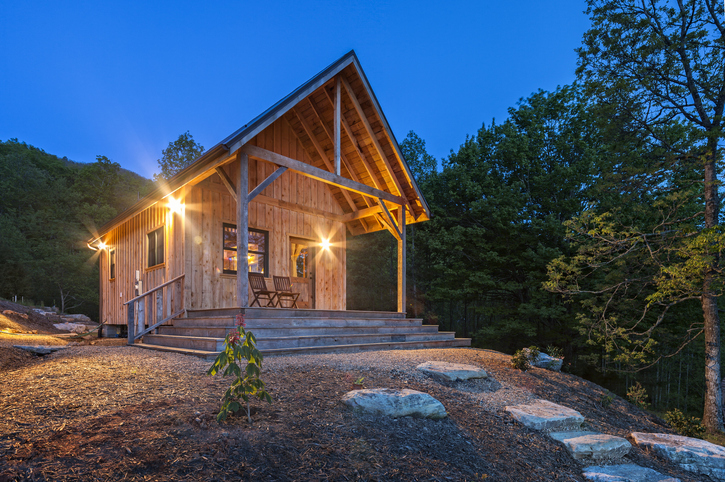
Managing a vacation rental or cabin property offers significant opportunity, but it also comes with unique liabilities. From slip-and-fall accidents on an icy deck to property damage caused by unruly guests, the risks are real. That’s where risk management comes in.
Successful owners don’t just hope for the best; they proactively manage these risks to protect their assets and their reputation. We hope that this guide will help you outline practical strategies for mitigating liability, securing your property, and ensuring guest safety.
Prioritize Proactive Property Maintenance
Maintenance is your first line of defense against liability claims. A well-maintained property is a safer property. While aesthetic updates drive bookings, structural and safety maintenance prevents lawsuits.
Conduct Seasonal Inspections
Don’t wait for a guest to report a broken railing. Implement a rigorous inspection schedule that aligns with the changing seasons, especially for cabins located in areas with harsh weather.
- Exterior Walkways: Check for loose pavers, uneven ground, or moss buildup that could cause slips. In winter, ensure you have a contract or plan for immediate snow and ice removal.
- Decks and Balconies: These are high-risk areas. Inspect support beams, railings, and floorboards for rot or instability annually.
- Fireplaces and Chimneys: If your cabin features a wood-burning stove or fireplace, professional chimney sweeping is non-negotiable to prevent carbon monoxide buildup and chimney fires.
Document Everything
Risk management relies heavily on proof. Keep a digital log of all maintenance activities. If a guest claims they were injured due to negligence, your maintenance log showing that the area was inspected and repaired two weeks prior is your strongest defense.
Guest Screening
Who you allow into your property matters just as much as the condition of the property itself. Screening guests is not about discrimination; it is about verifying identity and ensuring responsible usage.
Utilize Platform Tools and Third-Party Software
Most major booking platforms offer built-in verification tools. Ensure you require guests to have a verified identity, phone number, and email address. For direct bookings, consider using third-party screening services that can check for red flags like previous evictions or criminal history related to property damage.
Establish Clear Rental Agreements
Your listing description is not a contract. You need a signed rental agreement that explicitly outlines:
- Maximum Occupancy: Strictly enforce limits to prevent parties that can damage your property and disturb neighbors.
- Pet Policies: clearly define weight limits, breed restrictions (if applicable by insurance), and liability for pet damage.
- Conduct Rules: Specify quiet hours and smoking policies.
By having a guest sign this agreement, you create a legal standing that proves they were aware of the rules before entering the property.
Secure the Right Insurance Coverage
Many new owners make the mistake of relying on standard homeowner’s insurance or the basic coverage provided by booking platforms. These often fall short when a significant claim arises.
Commercial or Vacation Rental Policies
Standard homeowner’s policies frequently exclude “business activity,” which includes short-term renting. You need a specialized vacation rental policy or a commercial liability policy.
- Liability Limits: Aim for higher liability limits than a standard home. One million dollars is often the industry baseline, but depending on your assets, you may need more.
- Loss of Income Coverage: If a fire or burst pipe renders your cabin unrentable for months, this coverage replaces your lost booking revenue.
- Amenity Specifics: If you have a hot tub, swimming pool, or provide bicycles/kayaks, ensure your policy explicitly covers these high-risk amenities.
Implement Emergency Preparedness Protocols
When an emergency happens, seconds count. Your guests are likely unfamiliar with the property and the local area. You must provide the information they need to react quickly.
The Digital and Physical Welcome Guide
Don’t bury emergency numbers in a drawer. Place a laminated sheet in a highly visible location (like the fridge or near the main entry) containing:
- The property’s exact address (guests often forget this when calling 911).
- Emergency contact numbers for police, fire, and poison control.
- Your 24/7 emergency contact number.
- Location of the nearest hospital and urgent care.
Safety Equipment
Go beyond the bare minimum required by law.
- Smart Detectors: Install smart smoke and carbon monoxide detectors that alert your phone if they go off. This allows you to call for help even if the property is vacant.
- Fire Extinguishers: Place current, tagged fire extinguishers on every level of the home and specifically near the kitchen and outdoor grill.
- First Aid Kits: Stock a comprehensive first aid kit and check it between stays to replenish used items.
Smart Technology for Risk Mitigation
Modern technology offers affordable ways to monitor your property without invading guest privacy.
Noise Monitoring
Noise monitoring devices measure decibel levels without recording conversations. They can alert you if noise levels exceed a certain threshold for a sustained period, often an early indicator of an unauthorized party.
Smart Locks
Keyless entry systems eliminate the risk of lost keys or unauthorized copies floating around. You can generate unique codes for each guest that expire automatically at checkout time, ensuring property security.
Water Leak Detectors
Water damage is one of the most common and expensive insurance claims. Place smart water leak sensors near water heaters, under sinks, and behind washing machines. These devices can alert you to a leak instantly, and some systems can even shut off the main water valve automatically.
Risk management is an ongoing process, not a one-time task. By implementing rigorous maintenance schedules, screening guests effectively, securing proper insurance, and leveraging smart technology, you protect more than just your property – you protect the future of your business.
Contact Brandon Patterson on our team at brandon@ownbyinsurance.com to help you take the next steps for your risk management planning.