Article overview: Discover overlooked boat insurance and liability risks before you launch. Learn how to review your policy and address coverage gaps to ensure a safe season.
As the seasons change and the days grow longer and warmer, boat owners across the country are preparing for another season on the water. While checklists often include engine maintenance, hull cleaning, and safety equipment inspections, a critical component is frequently overlooked: a thorough review of boat liability and insurance coverage.
An outdated or inadequate policy can expose you to significant financial and legal risks that can turn a dream season into a nightmare. Proactive risk management is not just a best practice; it is a fundamental aspect of responsible boat ownership. By taking a closer look at your coverage now, you can ensure you are properly protected before you set sail.
The Danger of Outdated Insurance Policies
One of the most significant risks is assuming the policy you bought in past seasons is still sufficient today. A boat insurance policy is not a “set it and forget it” document. Life changes, vessel upgrades, and shifting regulations can all impact the effectiveness of your coverage.
Have You Made Upgrades or Modifications?
Many boat owners invest in upgrades during the offseason. This could range from installing a new navigation system or a high-end sound system to repowering the vessel with a more powerful engine. These additions increase the value of your boat, and if your insurer is not aware of them, they will not be covered in the event of a loss. It is essential to report any modifications to your insurance provider to adjust your policy’s agreed value or actual cash value coverage accordingly. Failure to do so could leave you significantly underinsured.
Has Your Navigation Area Changed?
Taking your boat to a new location this season? Many standard boat insurance policies have specific navigational limits. If you operate your vessel outside this defined territory and an incident occurs, your claim could be denied. Before expanding your horizons, consult your policy to understand your geographical limitations and speak with your agent about obtaining an endorsement to extend your cruising area if needed.
Unseen Risks: Understanding Policy Exclusions
Beyond outdated information, the fine print of your policy contains exclusions that can create substantial coverage gaps. Assuming you are covered for every possible scenario is a common and costly mistake.
High-Risk Water Sports and Activities
Do you plan to let friends and family enjoy waterskiing, wakeboarding, or tubing behind your boat? Many policies have specific exclusions or require special endorsements for these activities. An accident involving a towed skier or a guest on a personal watercraft (PWC) launched from your vessel could lead to a liability claim that your standard policy will not cover. Review your liability coverage to ensure it explicitly includes these popular water sports.
Chartering and “Consideration”
Using your personal vessel for any form of commercial activity, including unofficial charters, can void your recreational policy. This is a critical point of confusion for many owners. If you accept any form of payment or “consideration” – which can be interpreted as anything from cash to covering fuel costs in exchange for using your boat – your insurer could classify the activity as commercial. If a paying guest is injured, you would likely have no coverage. If you intend to charter your vessel, you must secure a proper commercial marine policy.
Pollution and Environmental Liability
A fuel or oil spill from your boat is more than just an environmental concern; it is a significant financial liability. Federal and state laws impose strict liability for cleanup costs, which can be astronomical. The Oil Pollution Act of 1990 makes vessel owners responsible for these costs, regardless of fault. While most boat policies include some pollution liability, the limits are often low. Assess your potential exposure and consider a higher limit or a separate pollution policy, especially for larger vessels with greater fuel capacity.
Addressing Hidden Liability On and Off the Water
Your responsibility as a boat owner extends beyond what happens during active operation. Liability can arise from unexpected situations, both at the dock and during transport.
Guest and Crew Liability
You are responsible for the safety of every person on your boat. If a guest is injured, even through a simple slip and fall at the dock, you could be held liable. Ensure your policy includes adequate medical payments coverage, which can pay for minor injuries without a formal liability claim.
Dockside and Mooring Risks
Your boat can cause damage even when tied up. A poorly secured vessel can break free in a storm and damage other boats or the marina itself. Similarly, if someone is injured on your boat while it is docked, you are still liable. Verify that your policy provides liability coverage while the boat is moored or stored.
Trailering and Transport
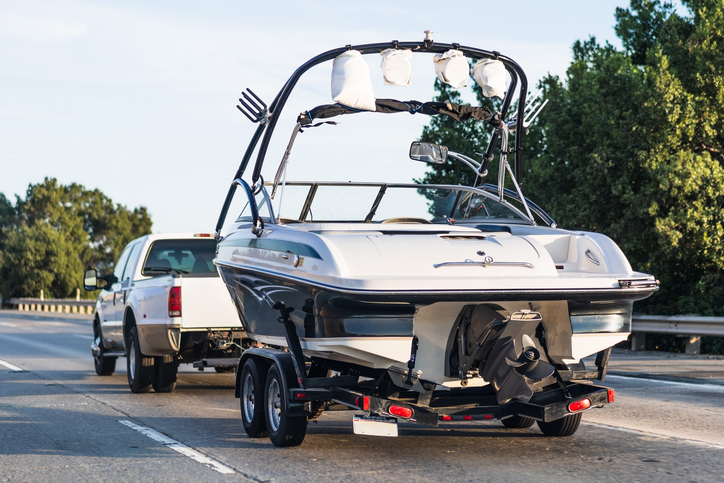
Liability does not begin at the boat ramp. An accident while trailering your boat is a complex insurance scenario. While your auto insurance policy typically provides liability coverage for the trailer and boat while being towed, it will not cover damage to the boat itself. You need your dedicated boat policy to cover physical damage to the hull or equipment during transport. Ensure both your auto and boat policies are active and provide sufficient limits.
Actionable Steps for a Secure Season
Understanding these risks is the first step. Taking decisive action is what truly protects you.